
Why Every Allman Brothers Fan Needs to Visit The Big House Museum in Macon, Georgia

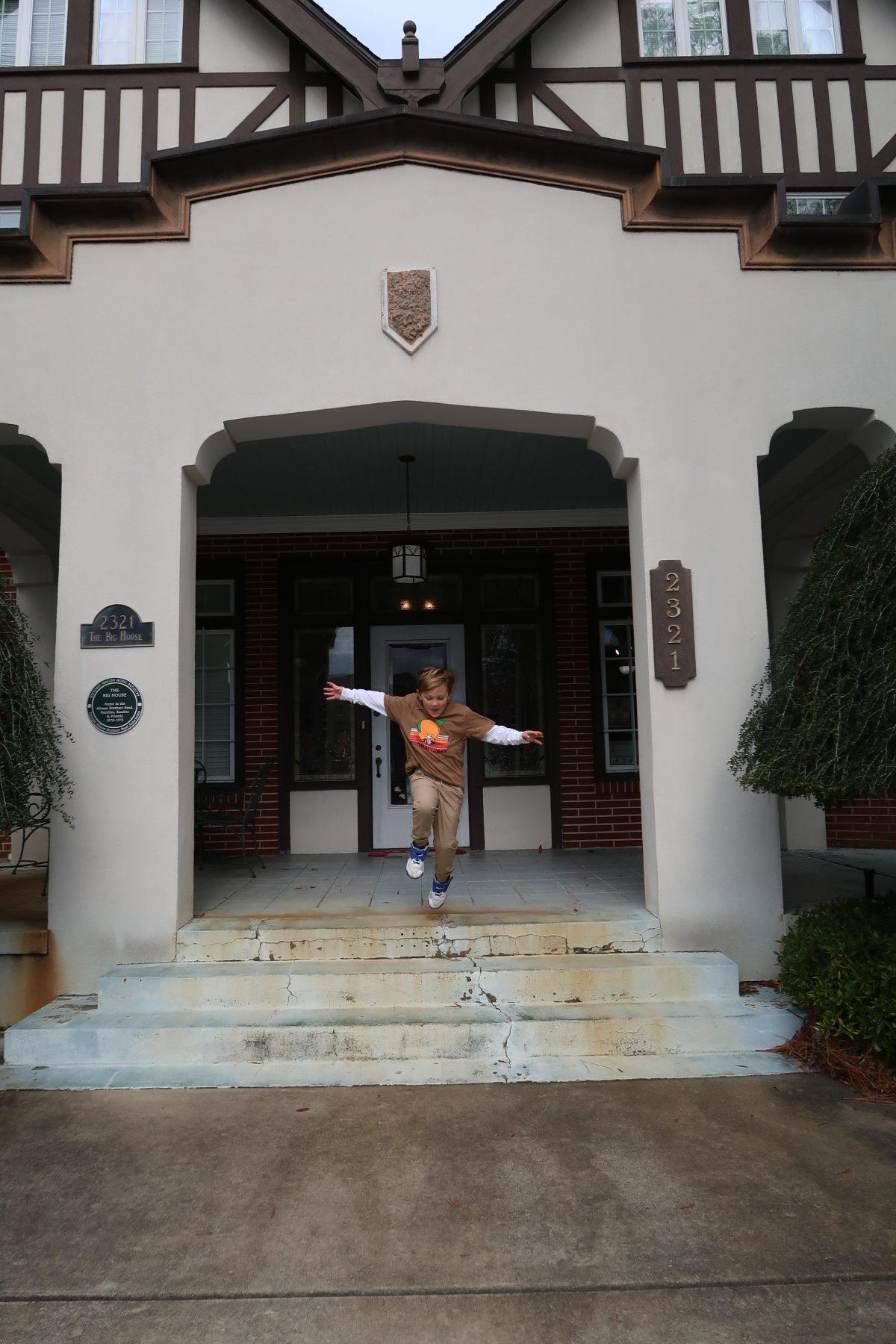
If you grew up listening to The Allman Brothers Band, there’s a good chance their music feels tied to actual memories in your life.
Road trips.
Summer nights.
Windows down.
Someone singing every word way too loud.
For me, The Allman Brothers will always remind me of my dad.
I can still picture him driving with the volume absolutely maxed out, drumming on the steering wheel, playing air guitar like he was part of the band himself. Their music wasn’t just something playing in the background of my childhood — it was part of my childhood.
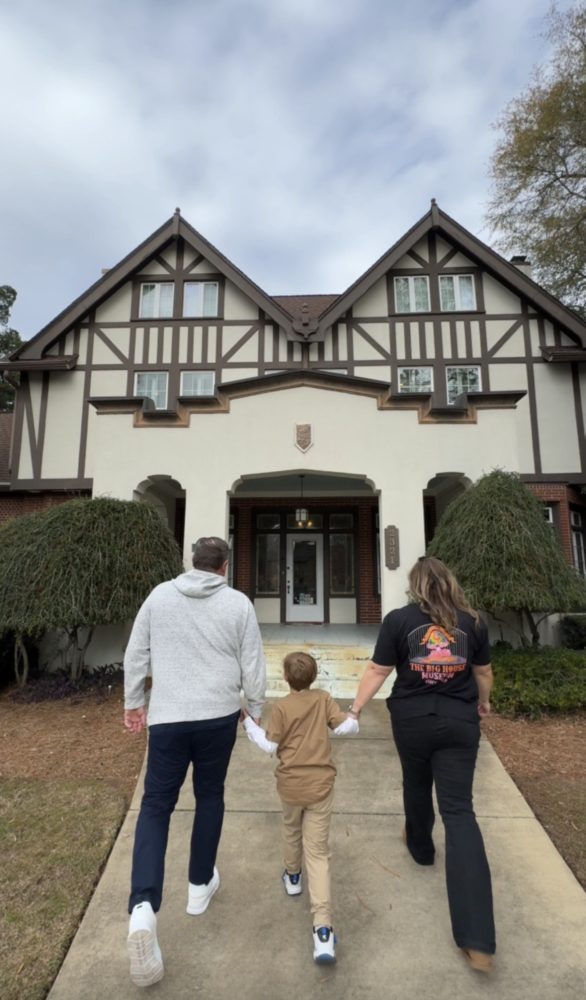
So when we visited Macon, Georgia, one stop I knew I wanted to make was The Allman Brothers Band Museum at The Big House.
And honestly? I wasn’t prepared for how meaningful the entire experience would end up feeling.
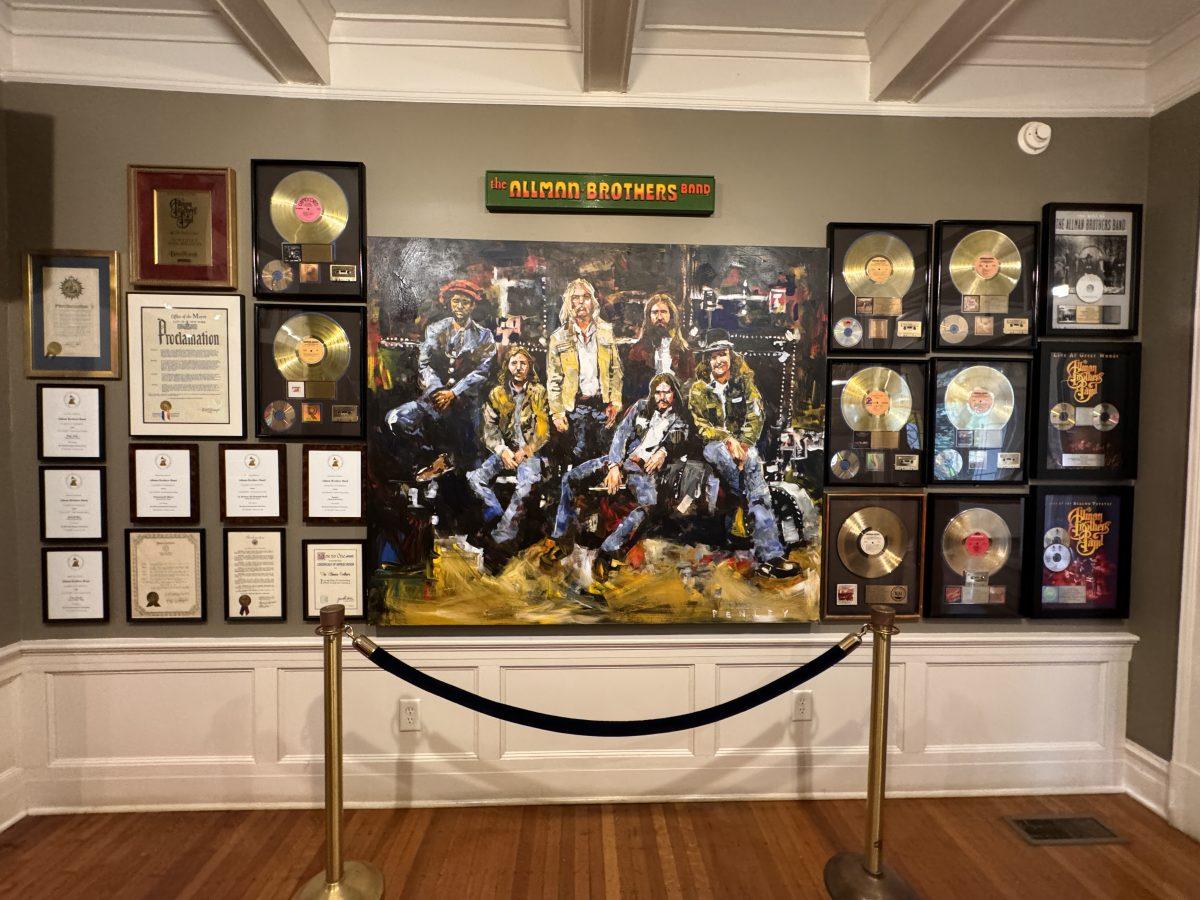
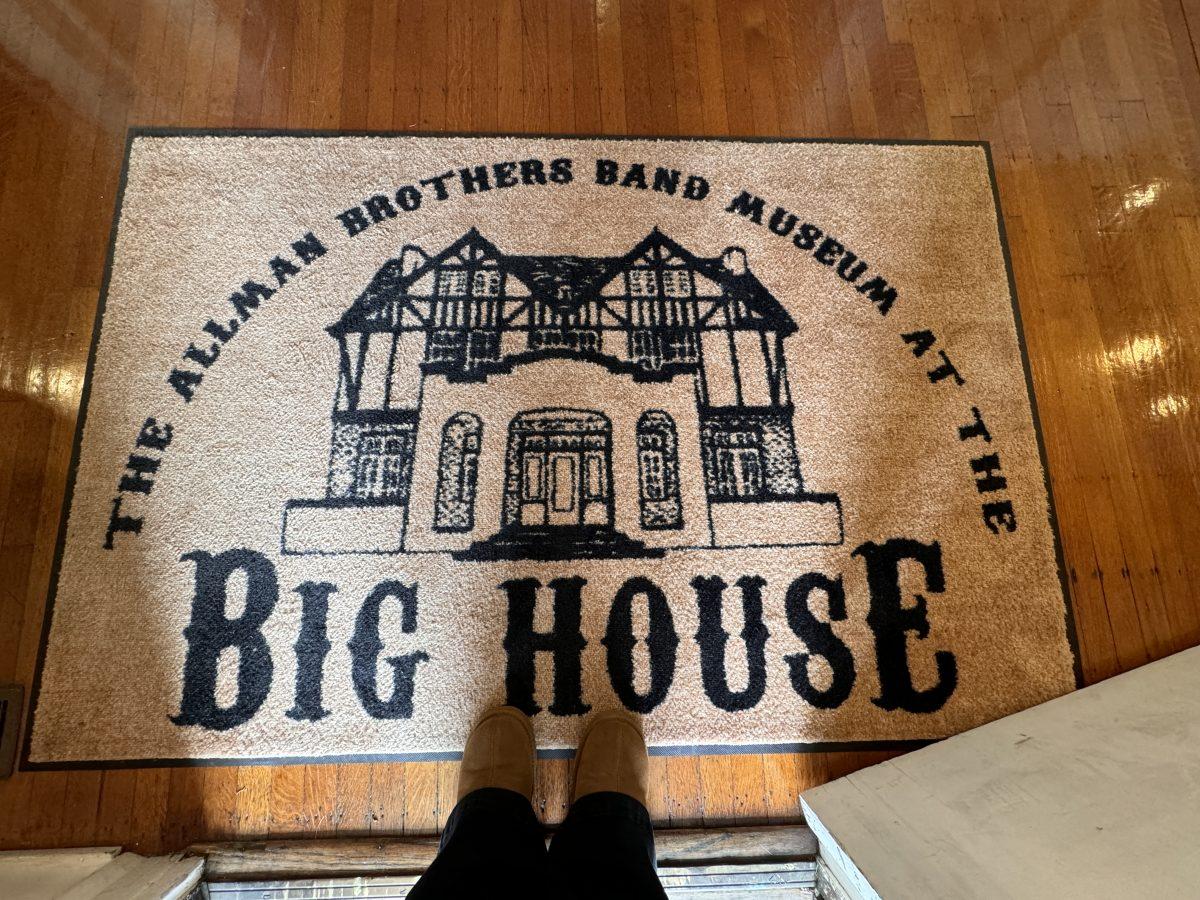
Visiting The Big House Museum in Macon, Georgia
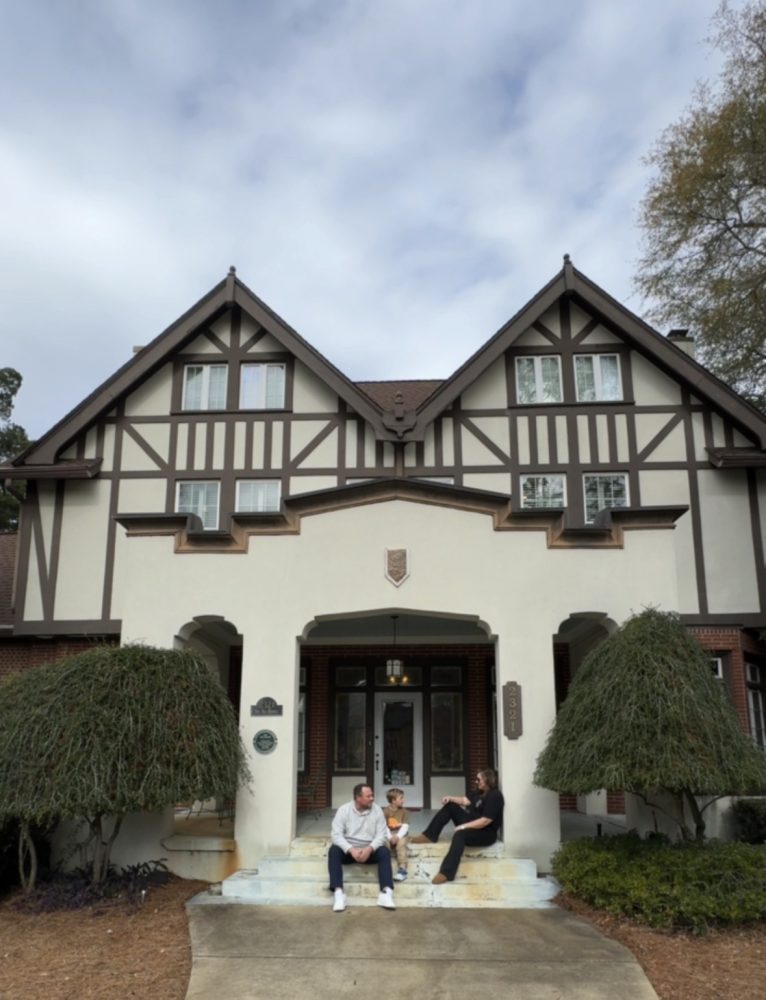
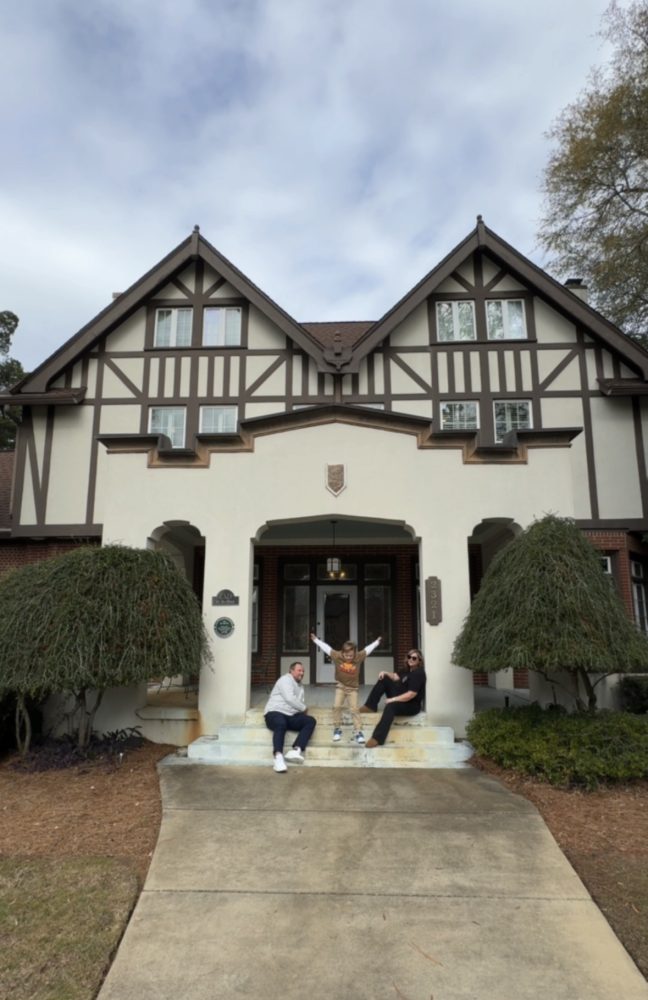
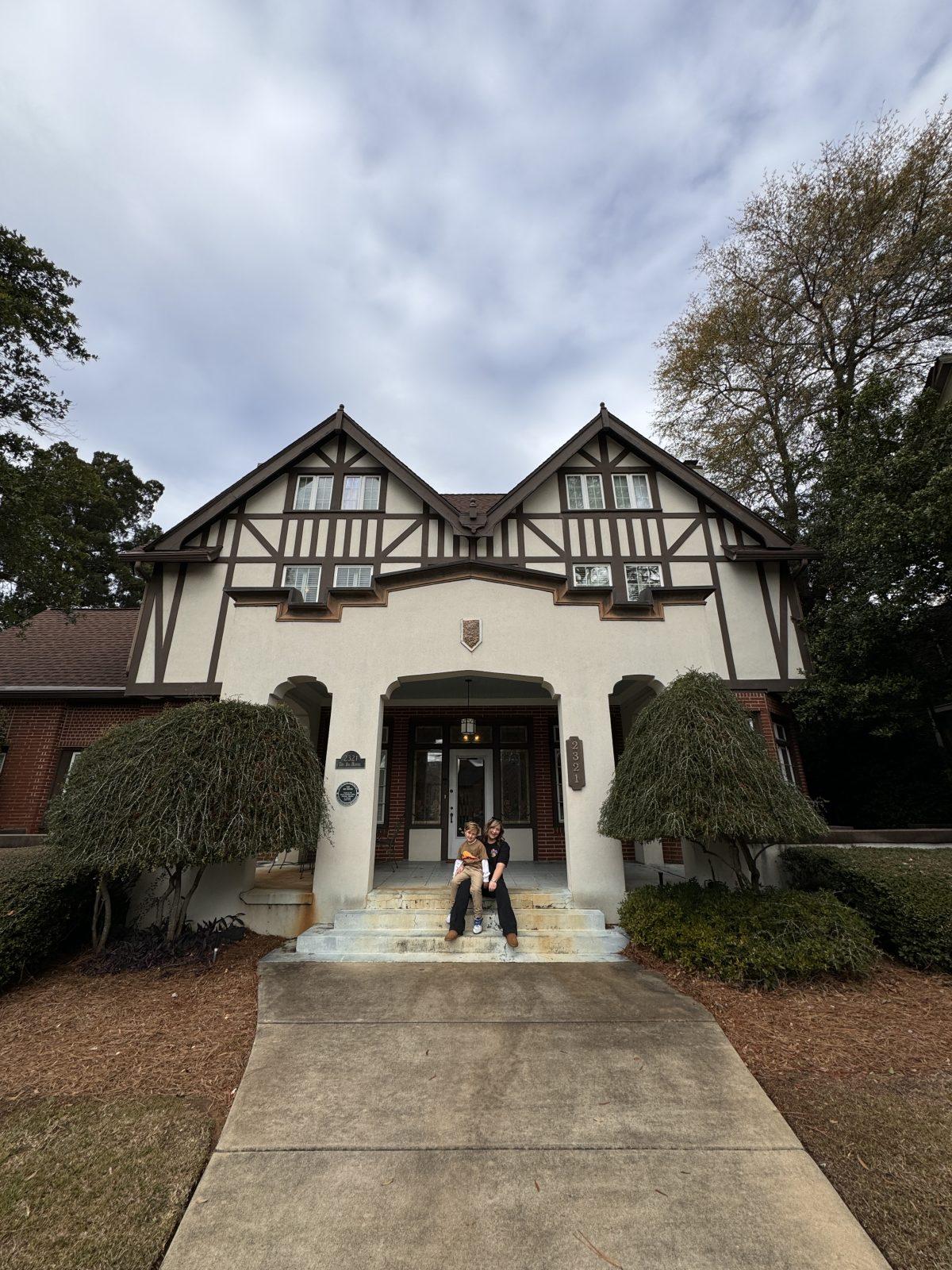
Located on Vineville Avenue in Macon, The Big House Museum is one of the most important Southern rock landmarks in the country.
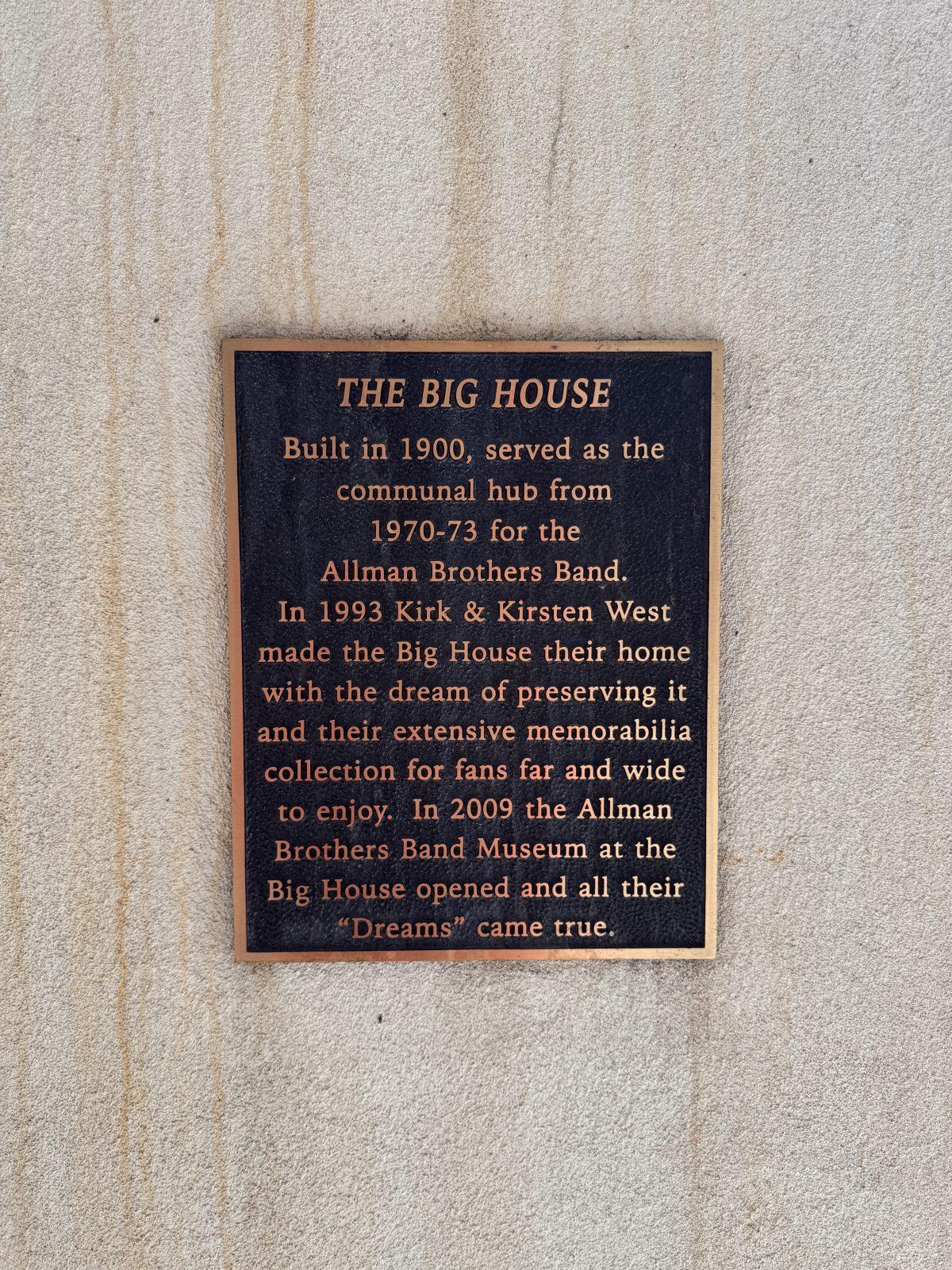
The historic Tudor-style home served as the communal home for members of The Allman Brothers Band, their families, roadies, and friends from 1970–1973 during some of the band’s most legendary years.
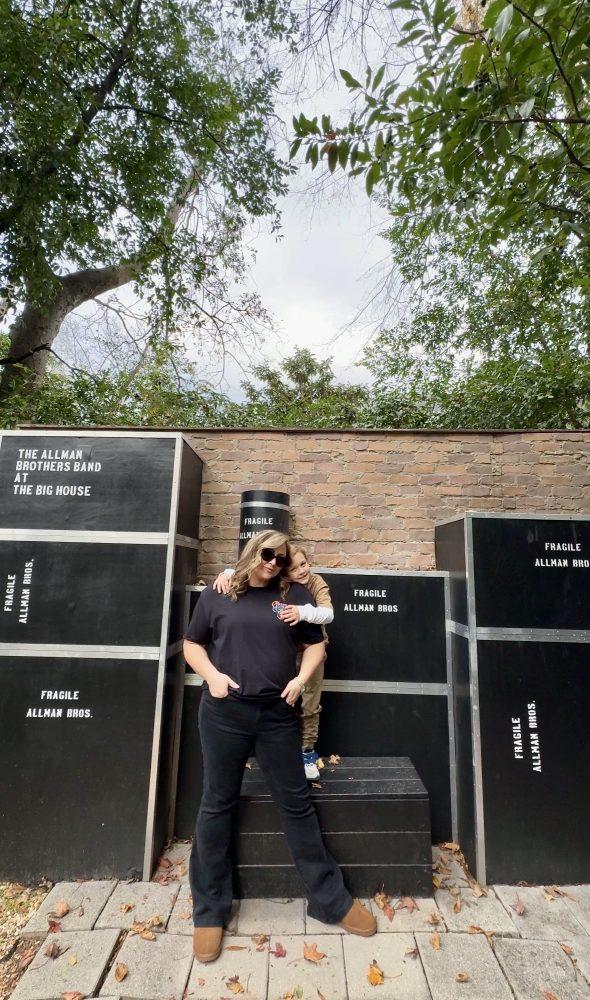
And unlike some music museums that feel overly polished or commercialized, The Big House still feels personal.
You’re not just reading plaques on walls.
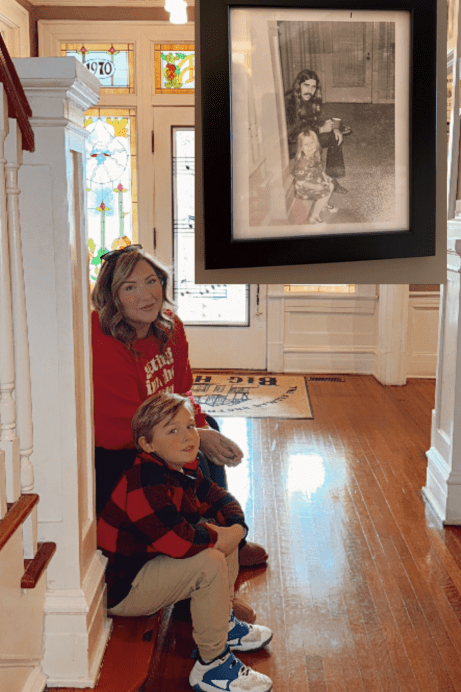
You’re walking through the actual rooms where the band lived, wrote music, hung out, and created the sound that would help define Southern rock.
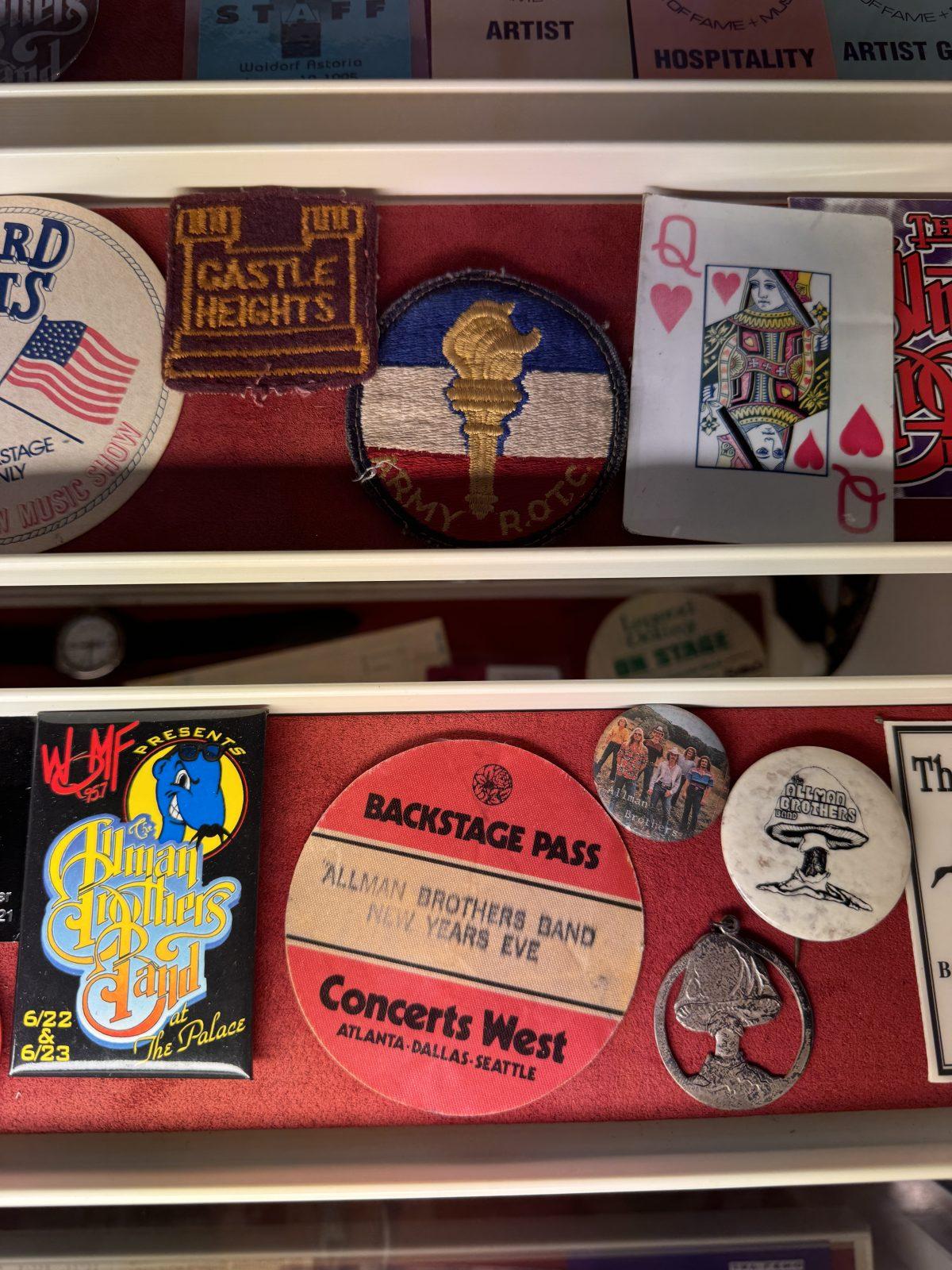
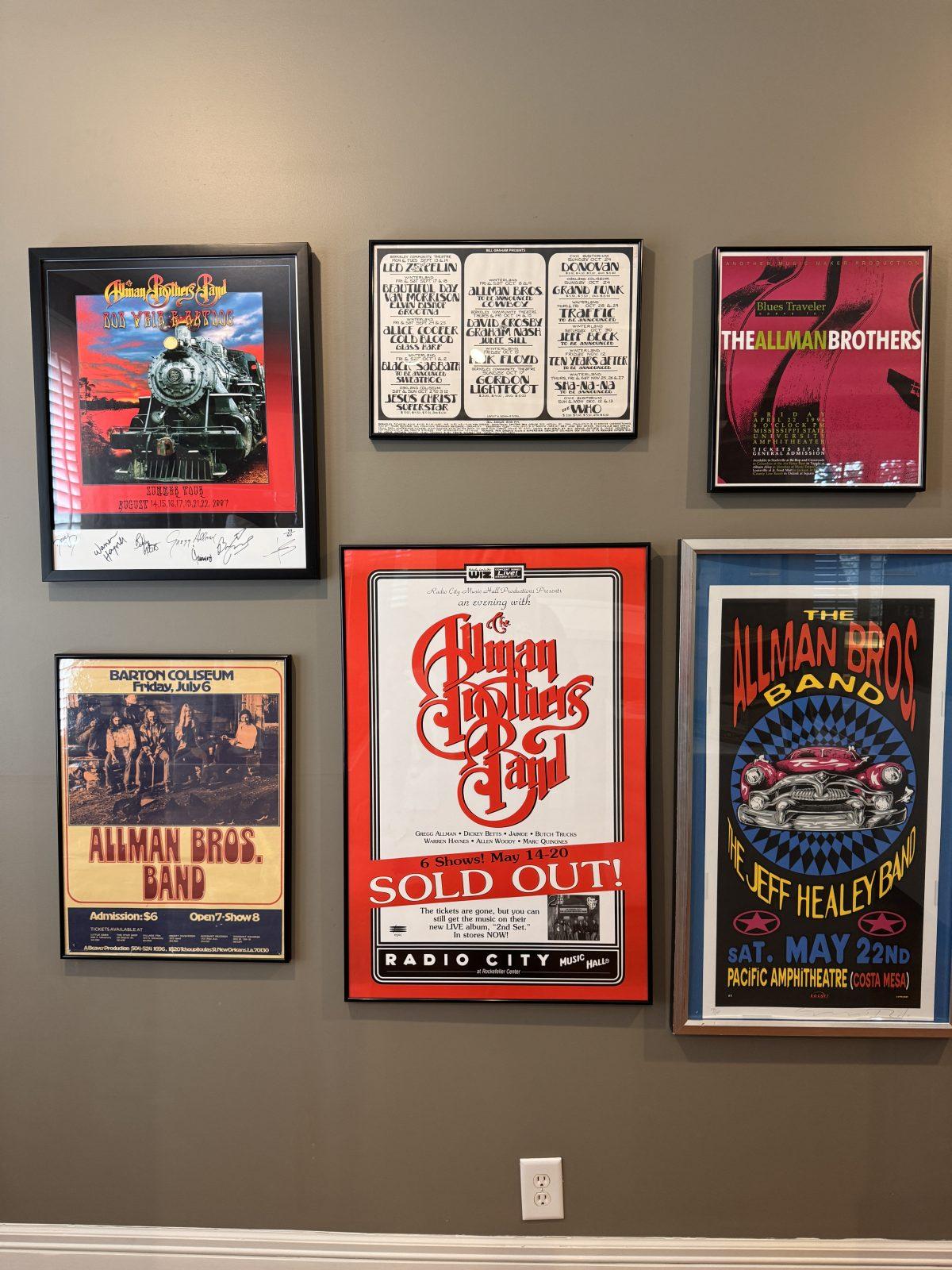
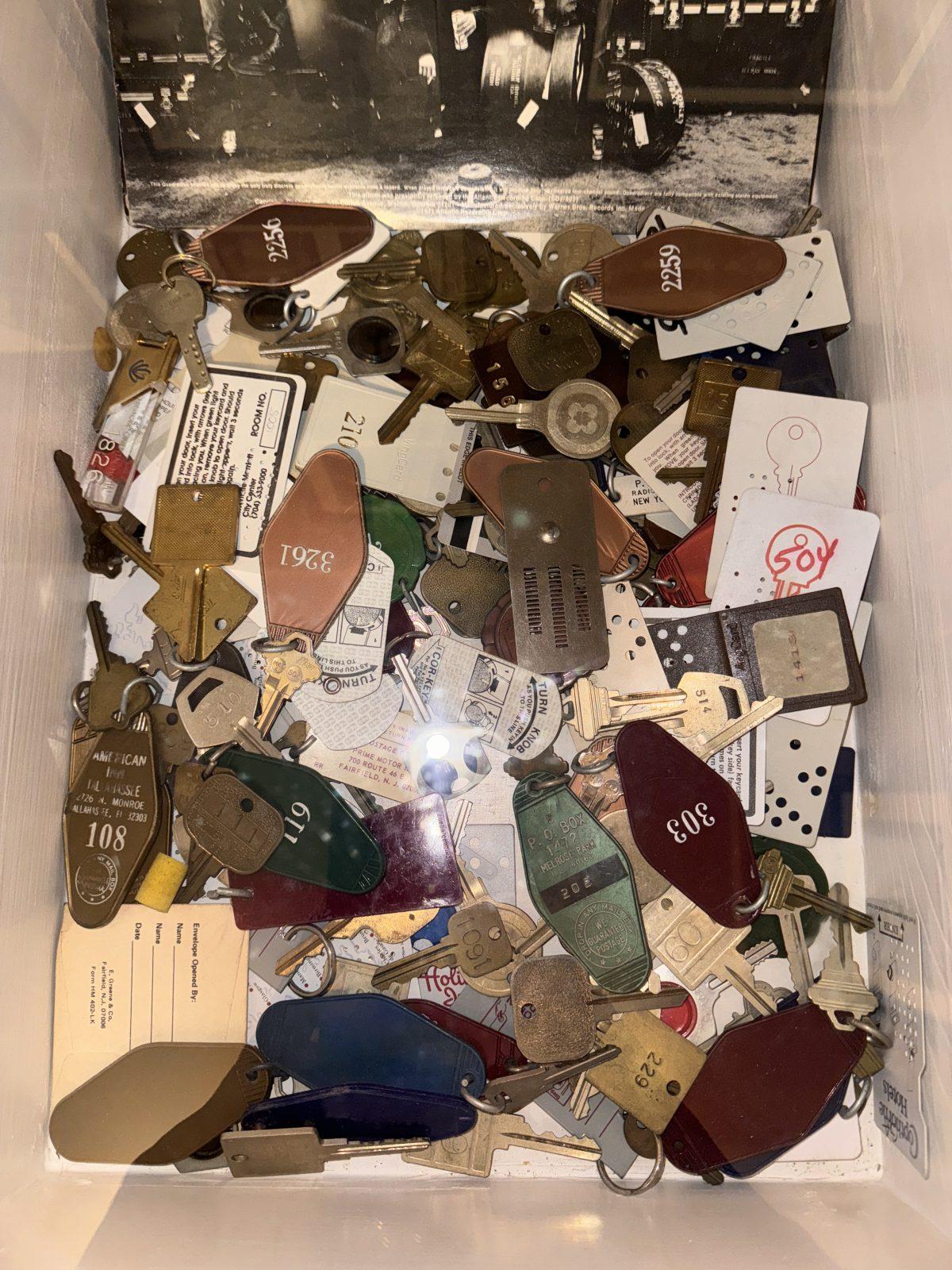
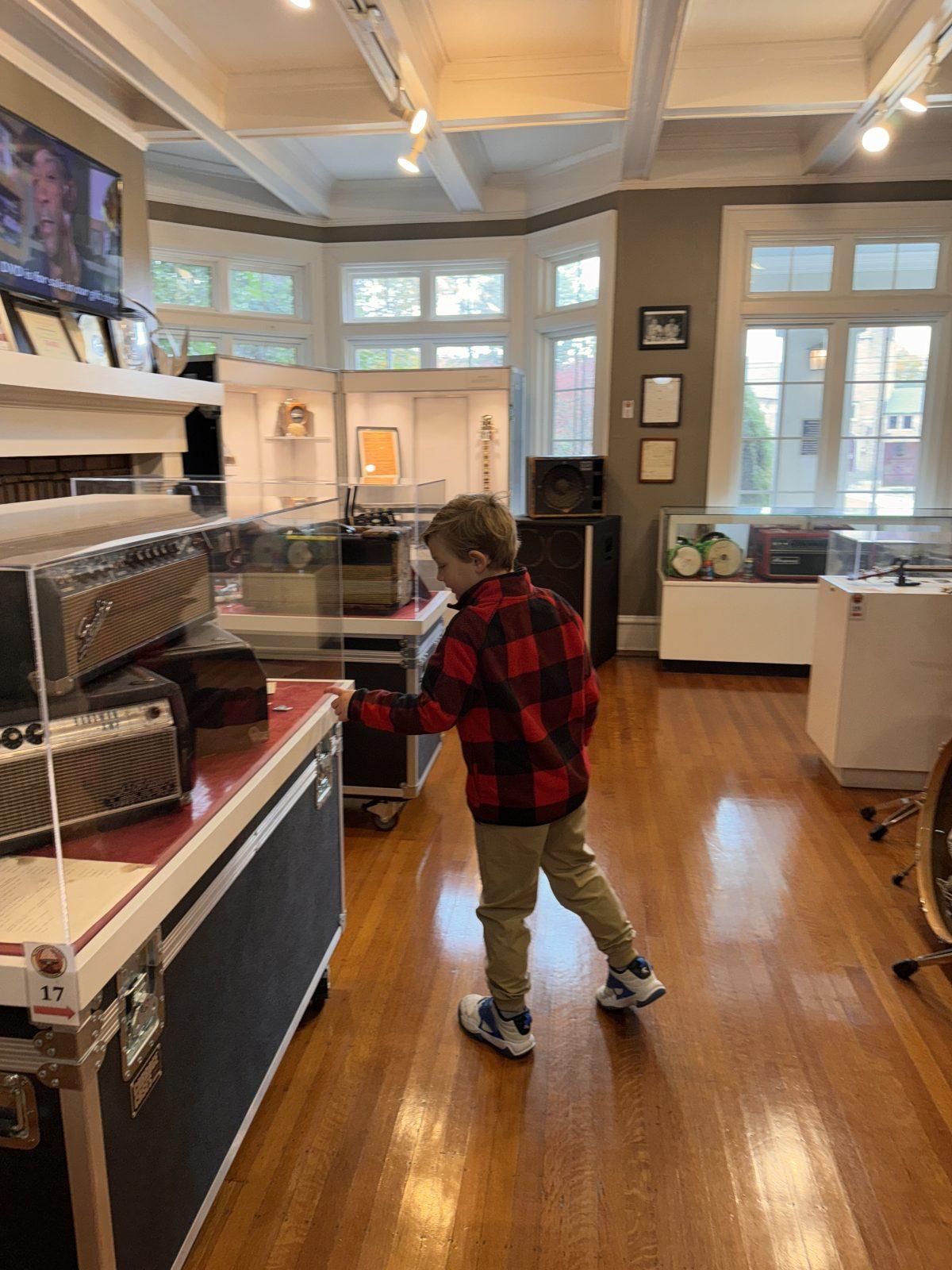
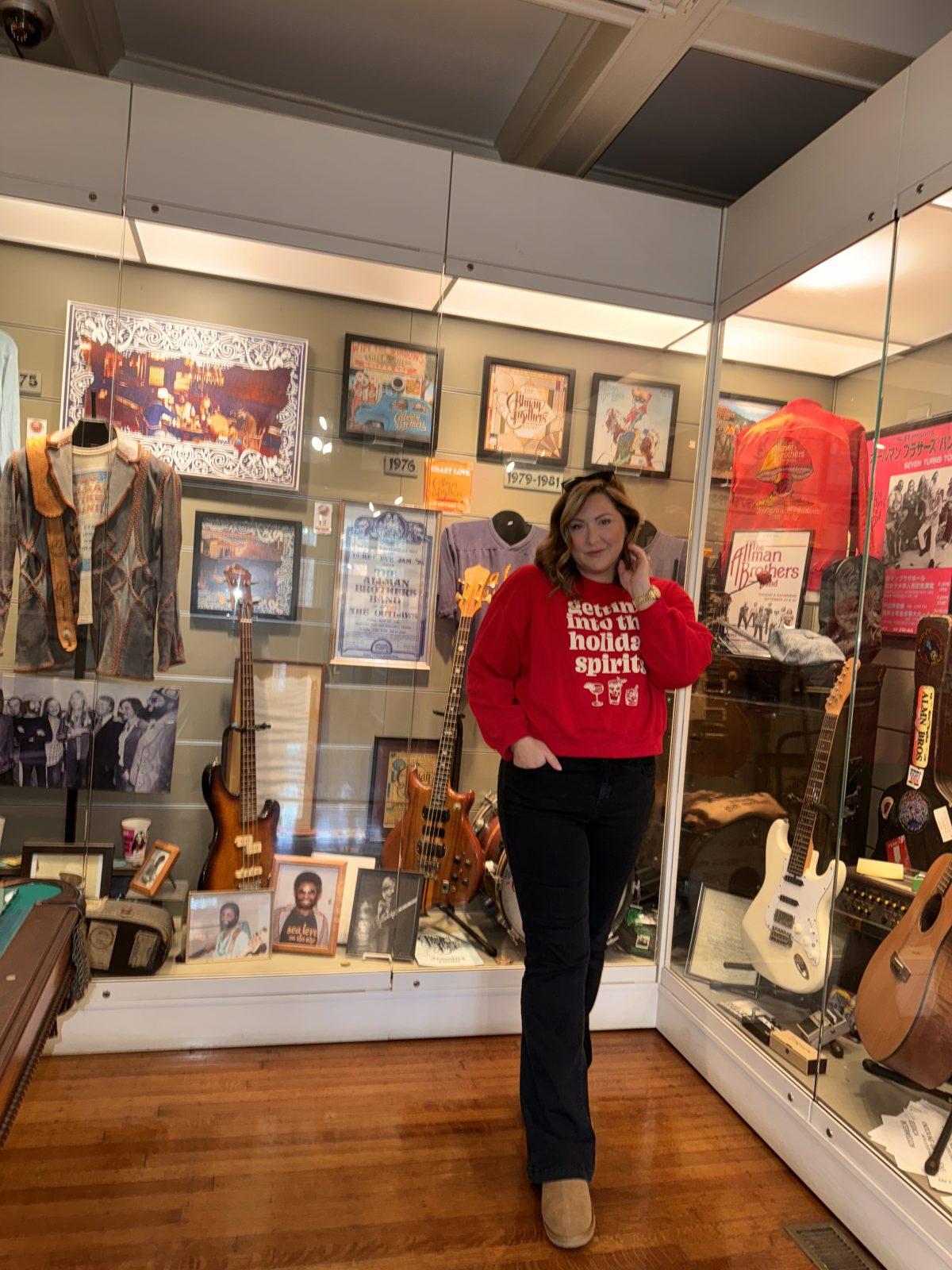
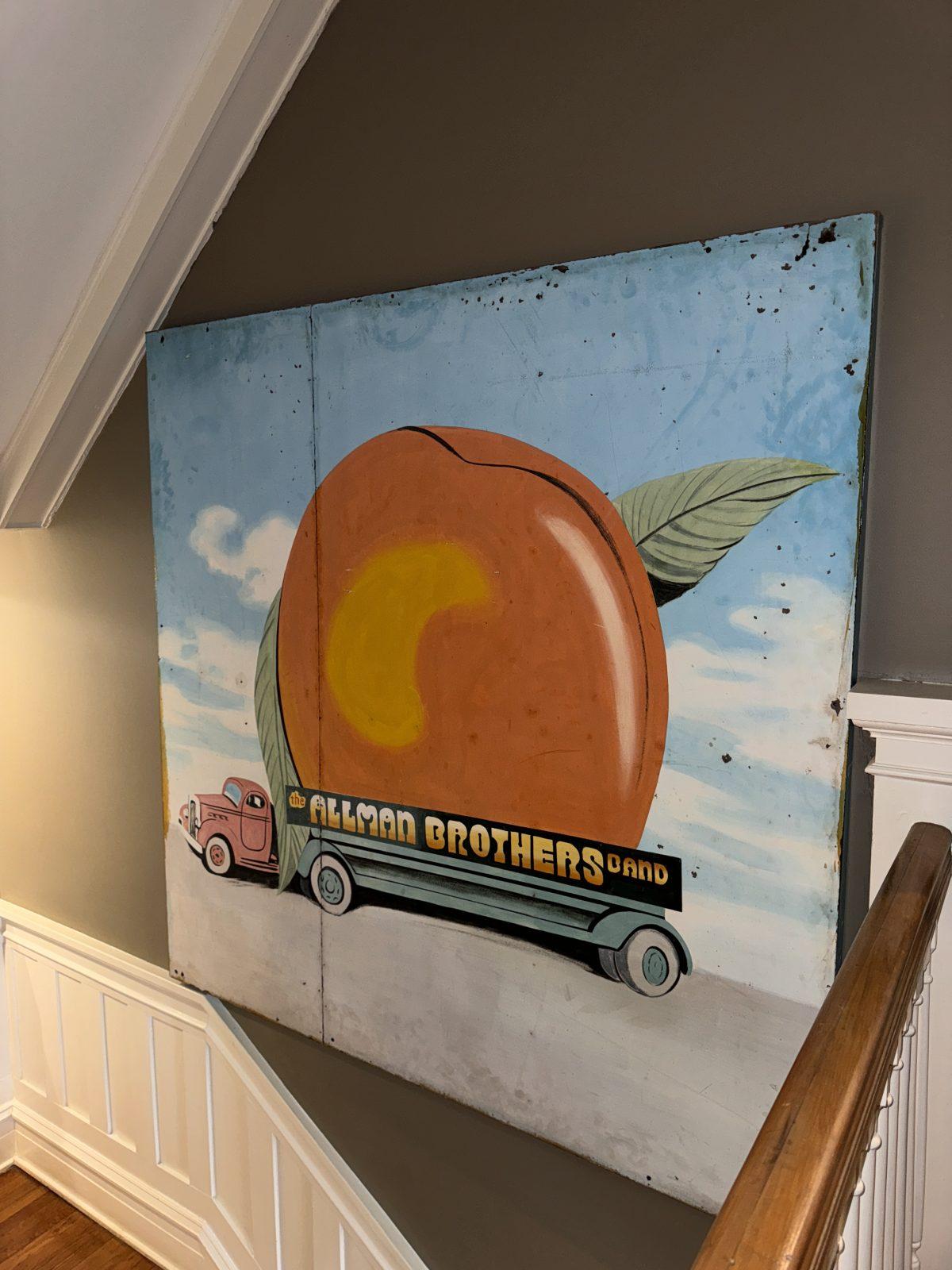
Why The Big House Museum Is So Special
Even if you aren’t a hardcore music-history person, The Big House is genuinely fascinating because it feels immersive in a way most museums don’t.
Inside, you’ll find:
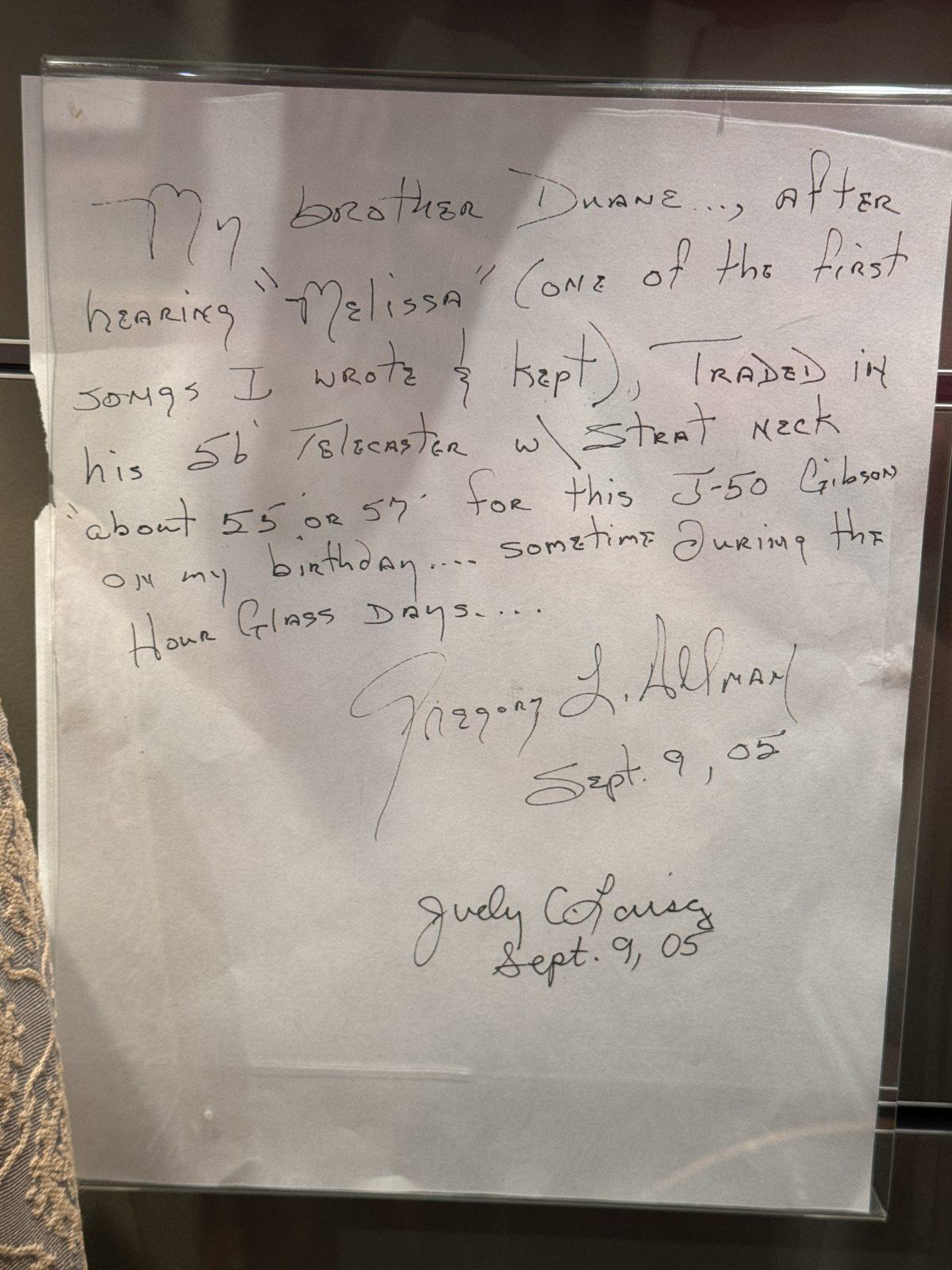
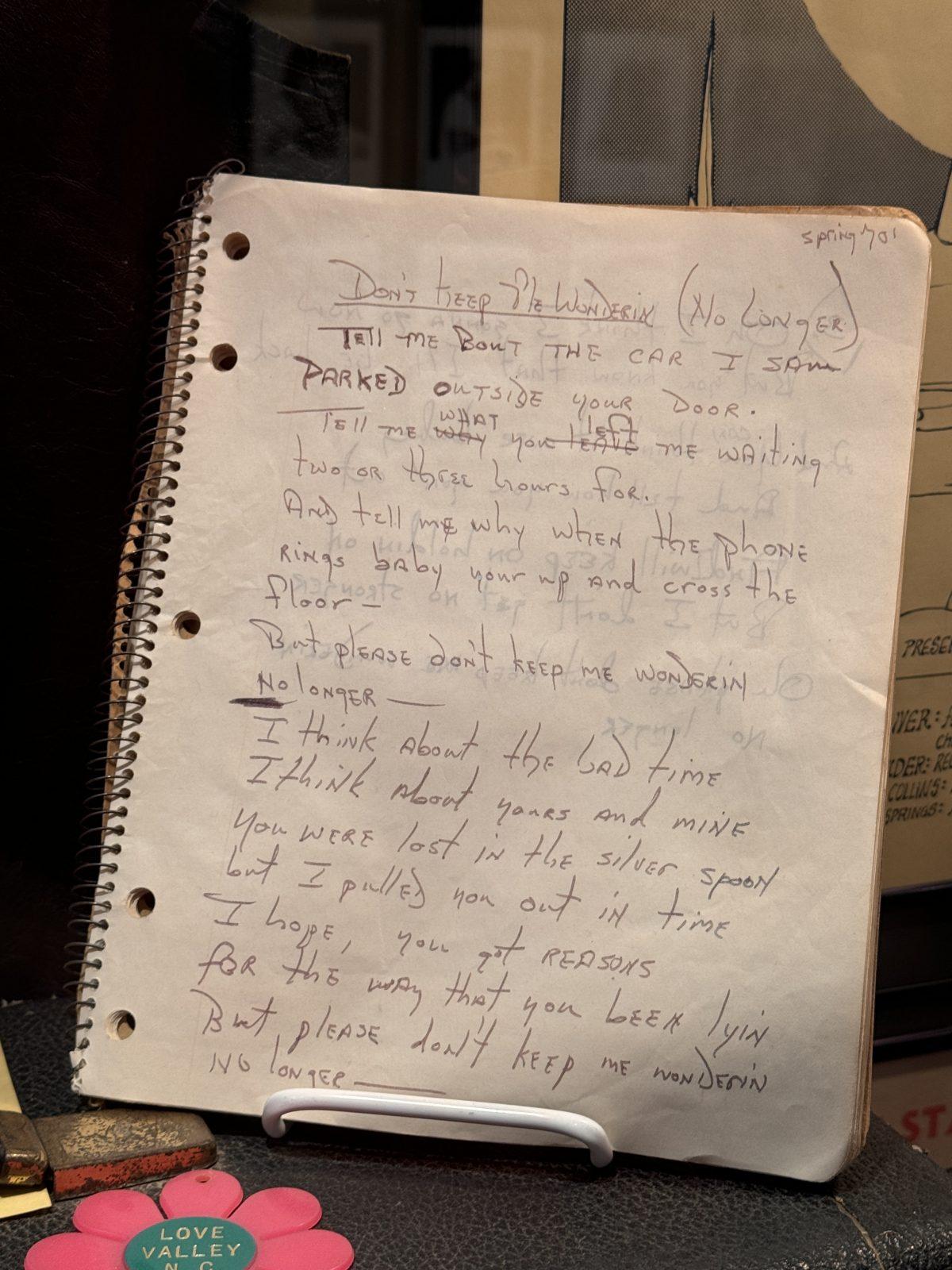
- handwritten lyrics
- original instruments and amps
- stage-worn clothing
- vintage photographs
- tour memorabilia
- personal artifacts
- recreated rooms from the 1970s
- recording and touring history
The museum houses one of the world’s largest collections of Allman Brothers Band memorabilia, and every room feels layered with stories.
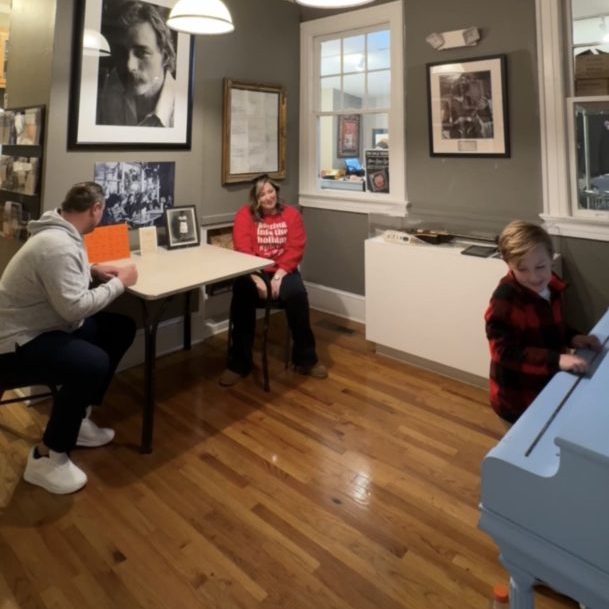
One of the coolest details? Seeing the actual kitchen table where Dickey Betts wrote “Ramblin’ Man.”
It’s those little moments throughout the museum that make music history suddenly feel real instead of distant.
The Music Didn’t Feel Like “History” to Me
That’s the thing about visiting The Big House.
For some people, The Allman Brothers Band is classic rock history.
For me, it’s memories.
It’s hearing “Melissa” in the car with my dad.
It’s road trips.
It’s hearing guitar solos that instantly transport me back to childhood.
Walking through the museum honestly felt surreal because it didn’t just feel like visiting an iconic place.
It felt like revisiting pieces of my own life, too.
And I think that’s why this museum stands out so much.
It’s not just about music.
It’s about the memories people attach to the music.

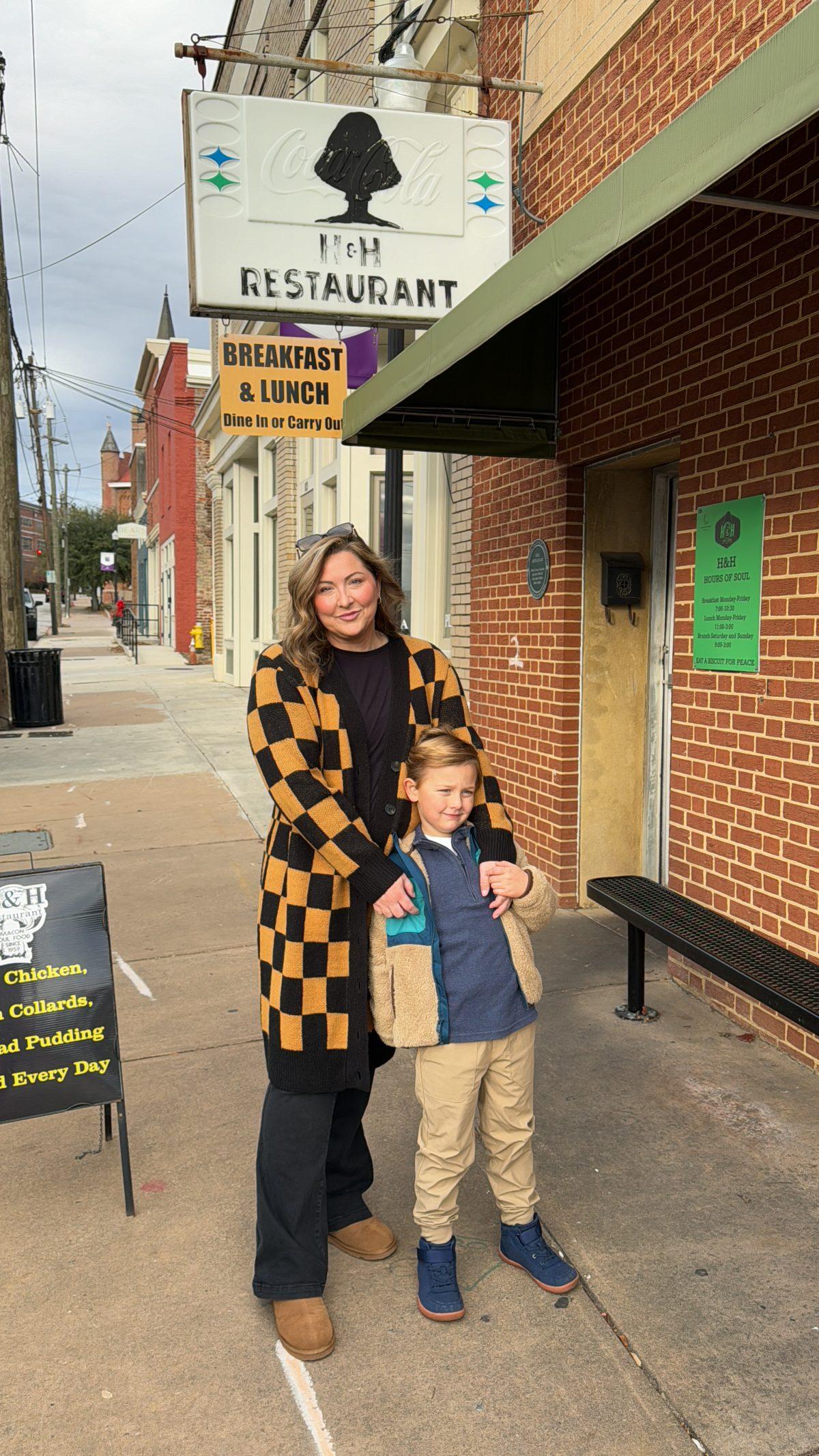
Visiting H&H Soul Food Restaurant After The Big House
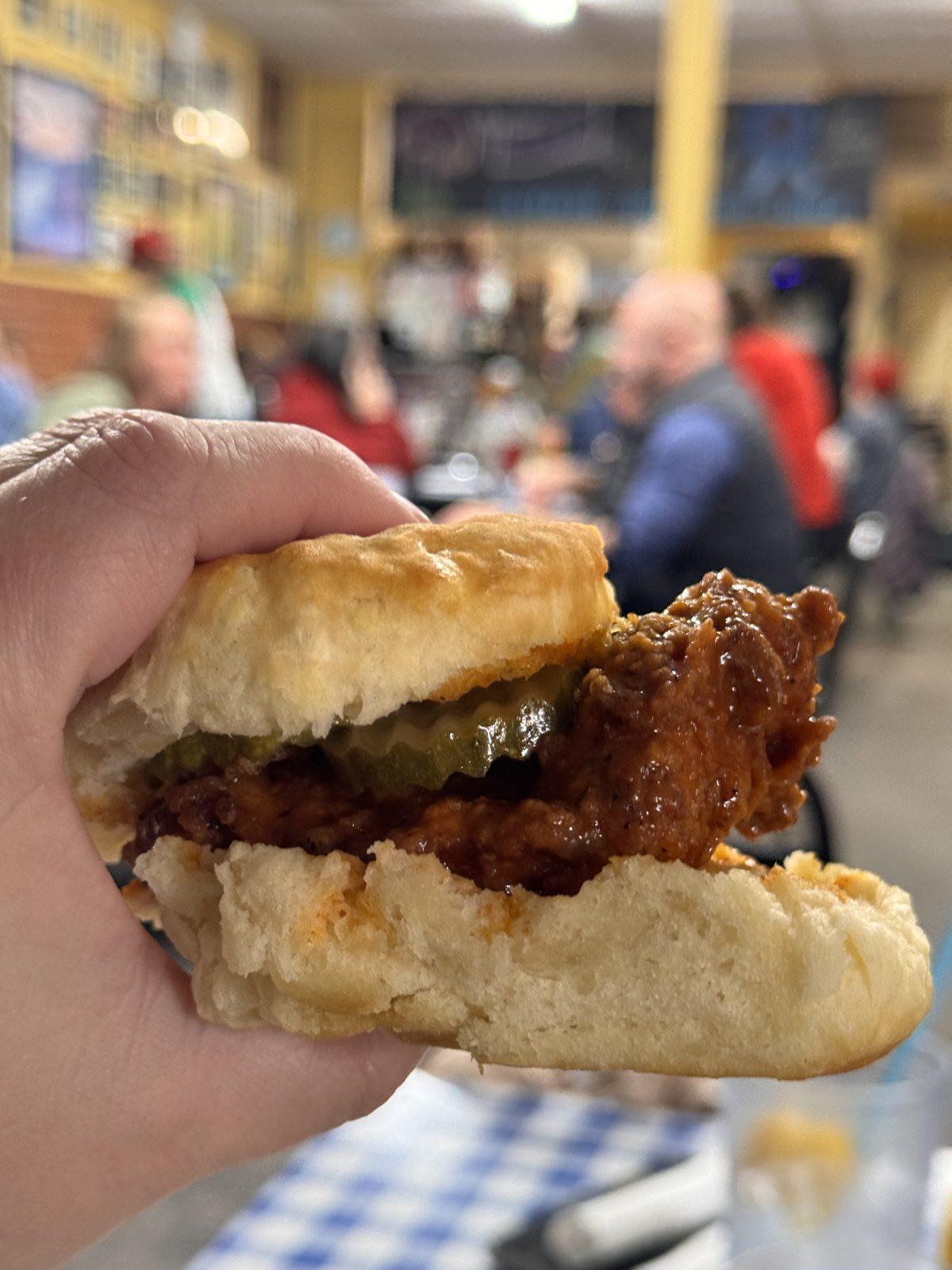
If you’re an Allman Brothers fan visiting Macon, you absolutely need to stop by H&H Soul Food Restaurant after visiting The Big House.
Honestly, this ended up being one of the most emotional parts of the entire experience for me.
H&H isn’t just a famous restaurant in Macon — it’s deeply connected to The Allman Brothers Band’s story.
Back during the band’s early years in Macon, “Mama” Louise Hudson and Inez Hill fed the band when they barely had money to eat. The band members would scrape together what little money they had, and Mama Louise would still make sure they had full plates and tell them they could pay later.
Eventually, Mama Louise became so close with the band that she even joined them on tour.
Today, H&H still feels like a time capsule of Southern rock history. The walls are covered in Allman Brothers memorabilia, old photographs, music history, and stories from that era.
And honestly? Sitting there listening to the music my dad loved so much while surrounded by all that history is what finally got me emotional during the trip.
Not dramatic crying.
Just one of those quiet moments where grief and gratitude somehow show up at the exact same time. (like now, as I write this)
Because my dad would have absolutely loved this place.
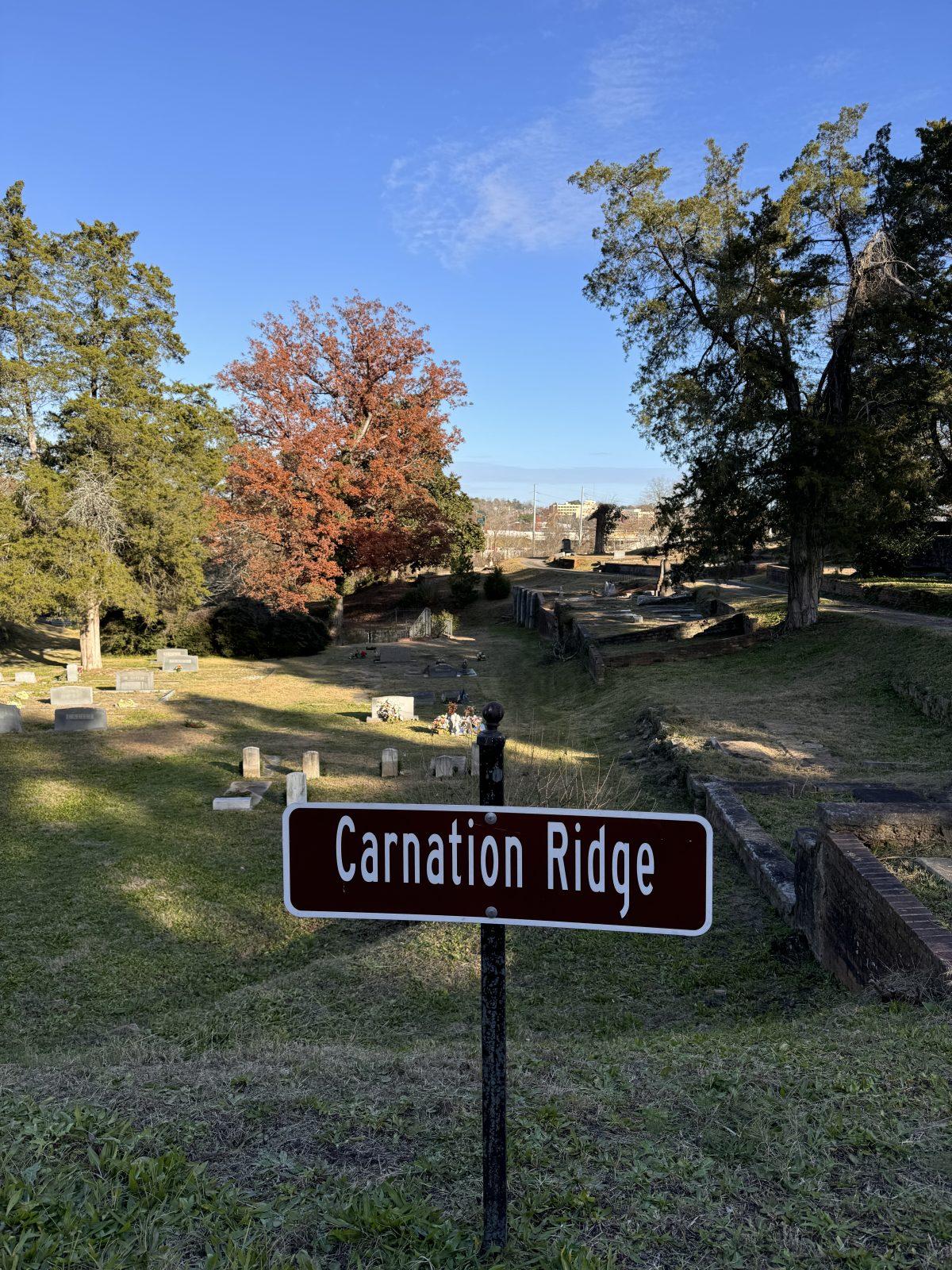
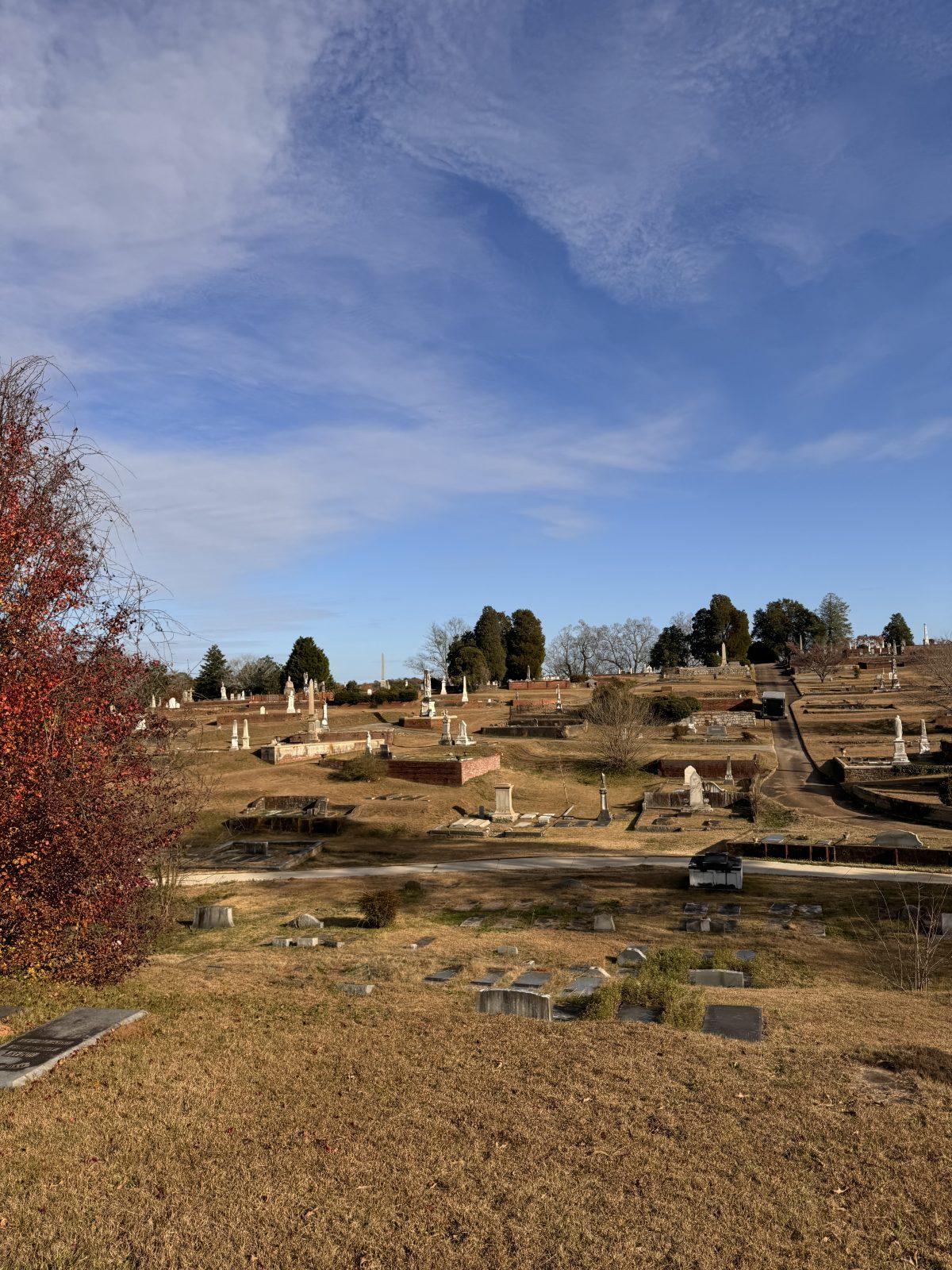
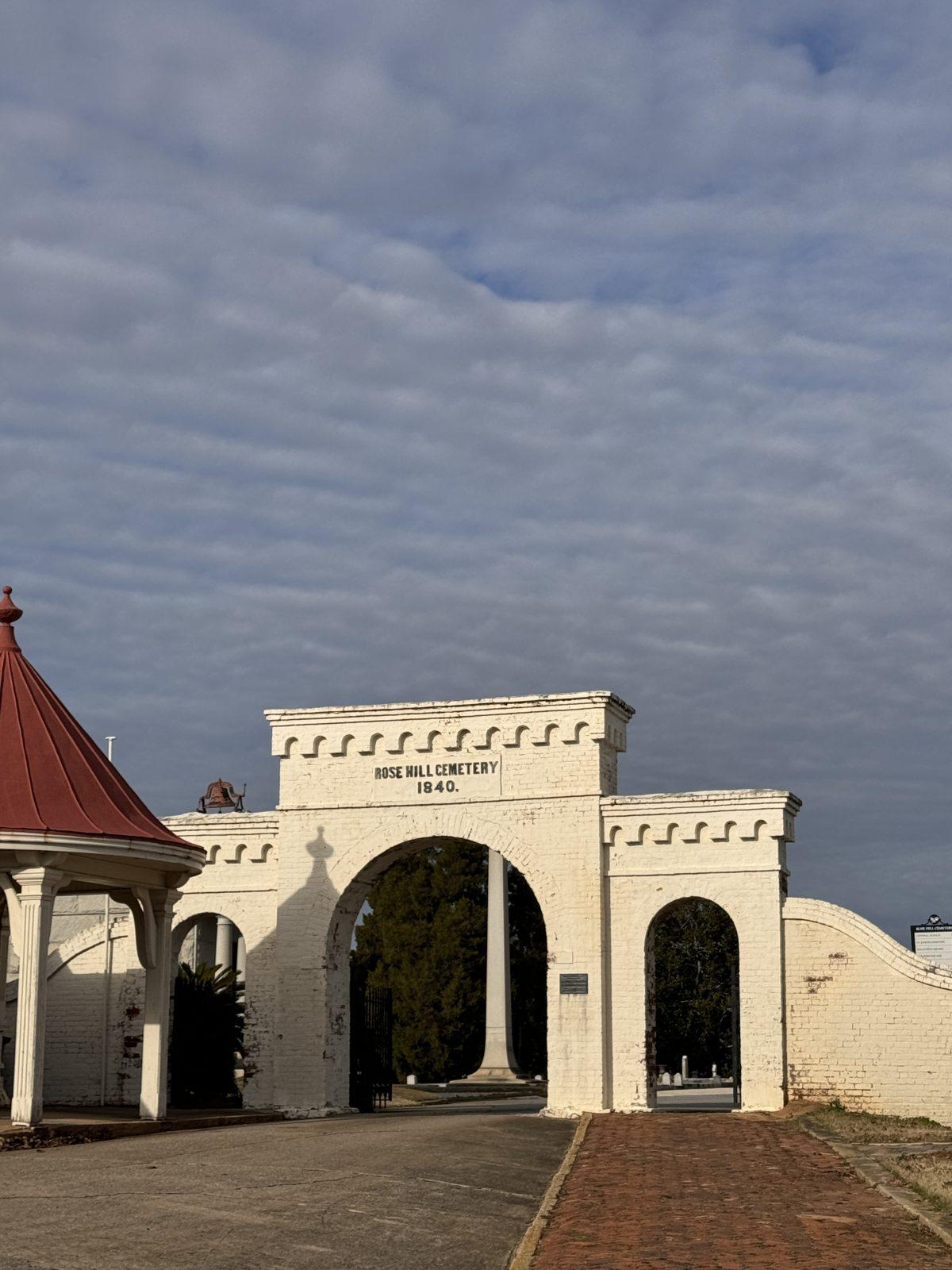
Visiting Rose Hill Cemetery
If you really want the full Allman Brothers experience in Macon, I’d also recommend visiting Rose Hill Cemetery.
And honestly, this ended up being one of the most unexpectedly meaningful parts of the entire trip.
Rose Hill Cemetery isn’t just where several members of The Allman Brothers Band are buried; strangely enough, it is also a place the band spent time hanging out, writing music, and finding inspiration during their early Macon years.
Songs like In Memory of Elizabeth Reed were inspired directly by names and places inside the cemetery itself.
It didn’t feel touristy.
It felt personal.
Like another piece of the band’s story still living inside Macon.
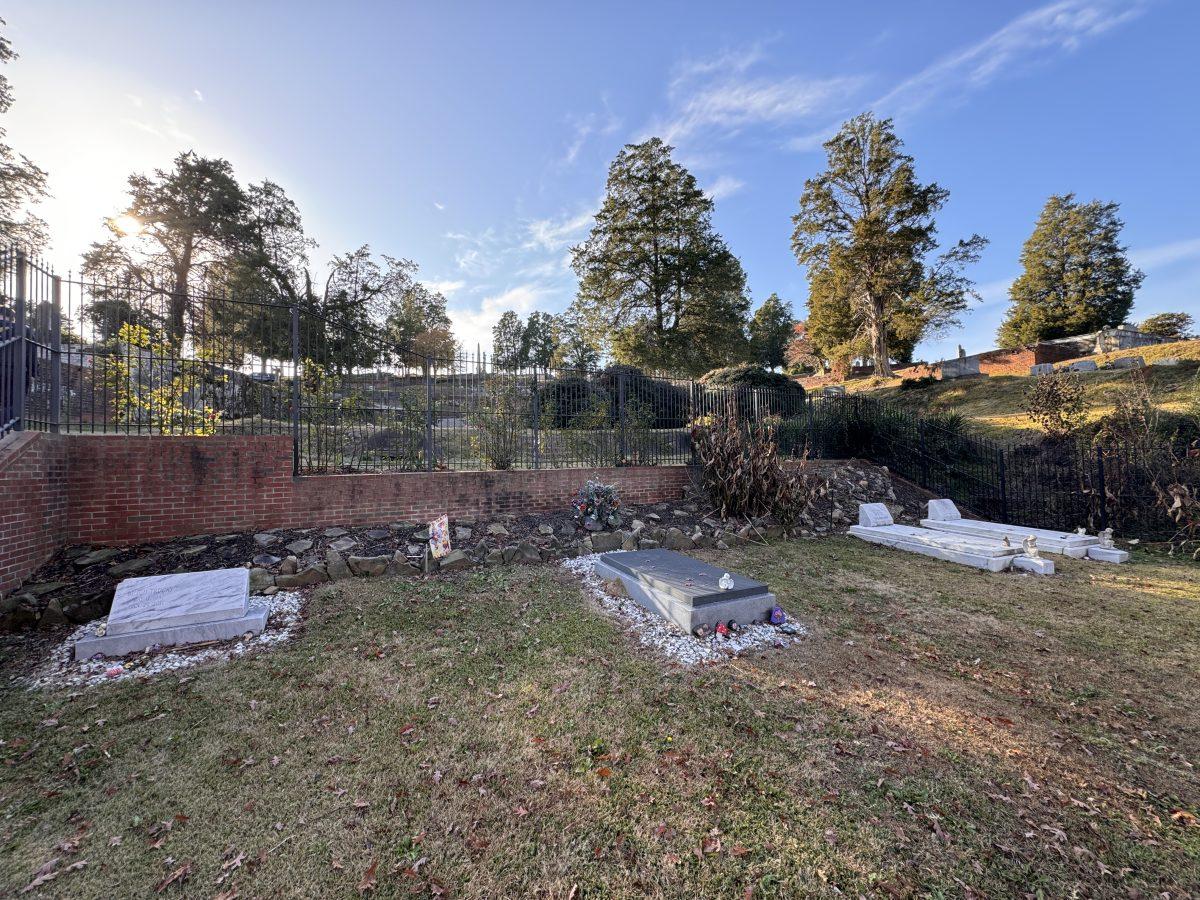
Paying Respect to The Allman Brothers Band’s Graves
Band members buried at Rose Hill Cemetery include:
- Duane Allman
- Gregg Allman
- Berry Oakley
- Butch Trucks
Visiting the graves after touring The Big House honestly made the experience feel even more full-circle for me.
Especially growing up with this music constantly woven throughout my childhood memories.
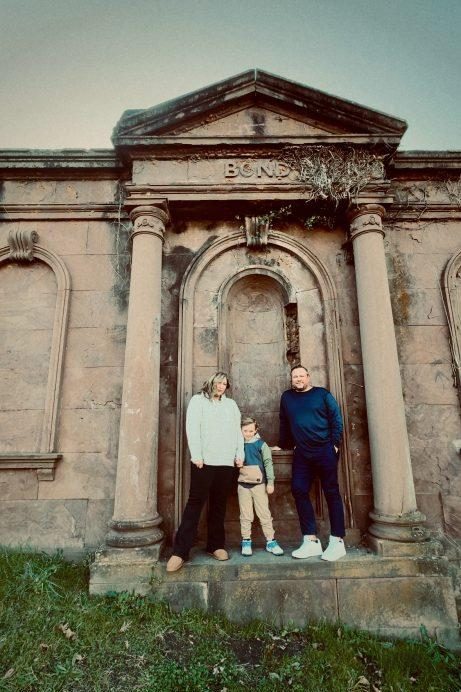
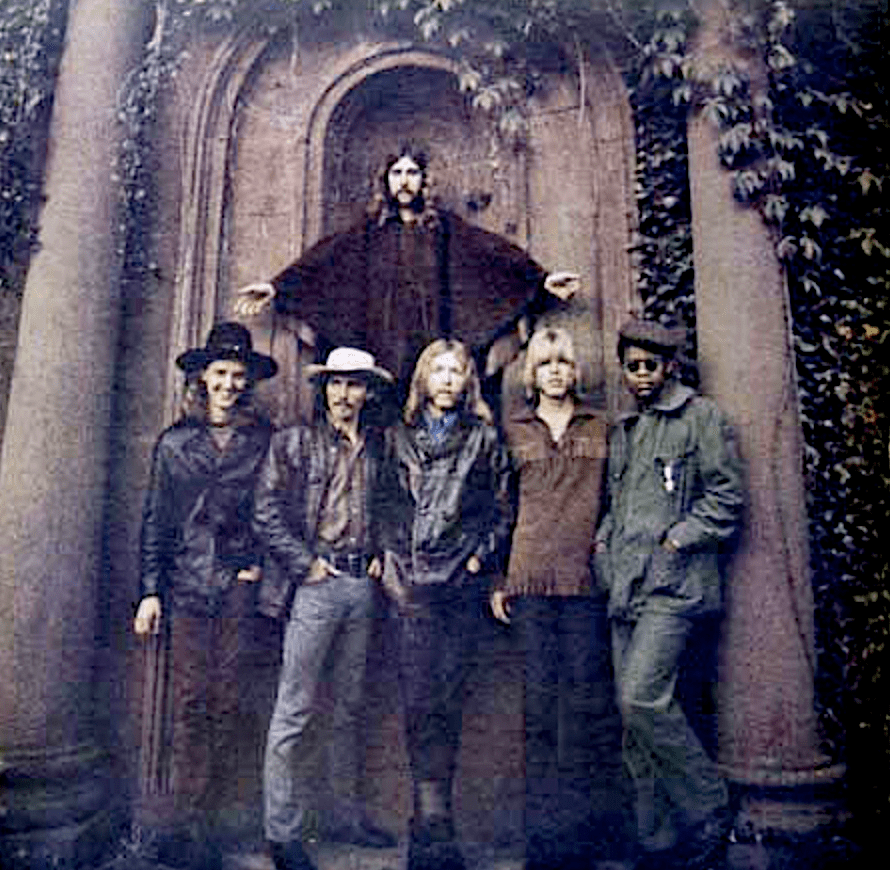
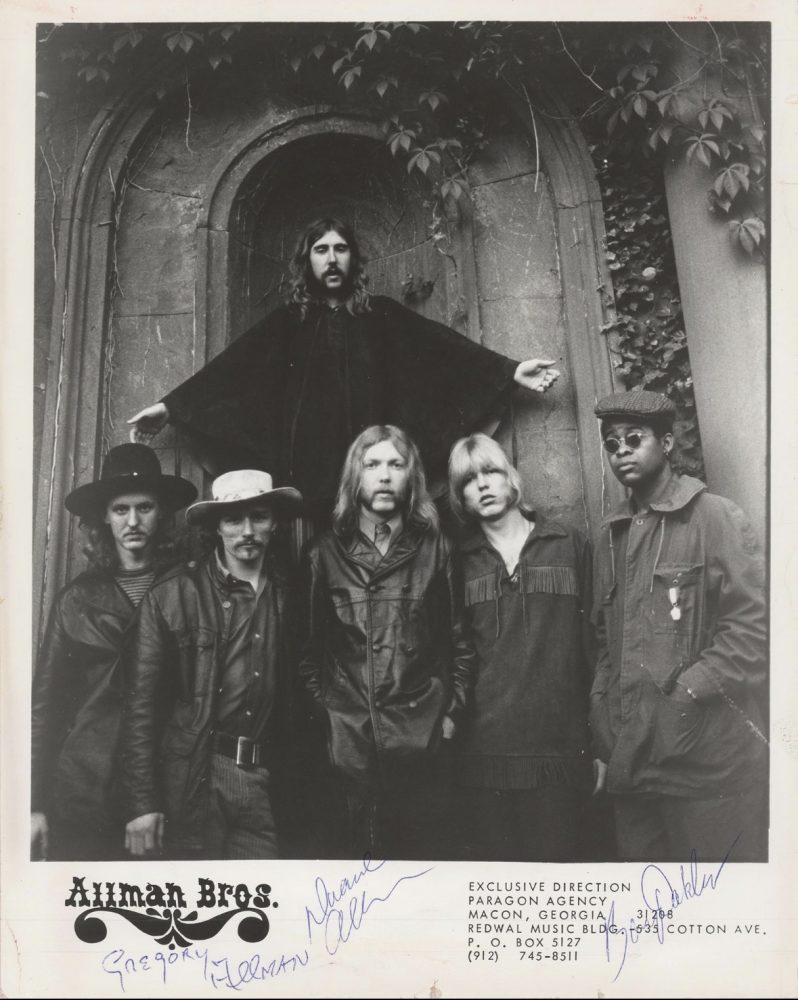
Recreating the Famous Allman Brothers Album Cover Photo
If you continue walking toward the back of the cemetery near the railroad tracks, you’ll also find the location where one of the famous Allman Brothers album cover photos was taken.
It’s located behind the angel statue and instantly recognizable if you grew up around their music. The band photographed multiple iconic images throughout Rose Hill Cemetery during their early Macon years, and the area has become a pilgrimage spot for music lovers ever since.
Of course, we had to recreate the photo ourselves while we were there.
And honestly? Standing in the exact places connected to music you’ve listened to your entire life is hard to explain unless you’ve experienced it yourself.
It felt nostalgic.
Like stepping into a piece of music history that somehow still feels alive in Macon.
There’s something surreal about realizing these weren’t just album covers or old photographs. These were real moments in real places that are still standing decades later. Somehow, Macon has preserved that feeling in a way that makes the music feel alive instead of archived.
Why Macon, Georgia, Is a Bucket List Destination for Music Lovers
Macon honestly surprised me in the best way. I had a ton of IG comments saying how amazing Macon looked and that they couldn’t wait to visit now!
The city carries so much music history, creativity, and culture that you can genuinely feel while walking around downtown.
Between:
- The Big House Museum
- Capricorn Studios
- H&H Restaurant
- Rose Hill Cemetery
- Otis Redding history
- live music throughout the city
…it’s honestly one of the coolest music destinations in the South.
Especially if you love places that feel authentic instead of overly curated for tourists.
Planning Your Visit to The Big House Museum
The Allman Brothers Band Museum at The Big House
2321 Vineville Avenue
Macon, Georgia 31204
The museum features memorabilia, exhibits, instruments, handwritten lyrics, photographs, and history from The Allman Brothers Band’s early years living in the home from 1970–1973.
Learn more or plan your visit here:
Final Thoughts
I thought we were just stopping by a museum.
Instead, it became one of the most meaningful stops of the entire trip.
Not because it was flashy.
Not because it was trendy.
But because it reminded me how deeply music becomes tied to the people we love and the memories we carry with us forever.
And honestly? I think that’s exactly why places like The Big House matter so much.